
Our Care & Approach
A consistent, nurturing model of care grounded in clear parenting principles, evidence-informed practice and proven, research-based therapeutic models.
The Quality & Purpose of Care
A safe, nurturing and dynamic environment
Lisette House provides residential care for young people with behavioural and/or emotional difficulties aged between 8 and 18, as identified in their personal Care Plans. Our primary objective is to cultivate a safe, nurturing and dynamic environment where every young person’s daily needs are met, actively encouraging their growth, helping them unlock their full potential and build a positive foundation for their future.
Our nurturing approach
We deliver a consistent, nurturing model of care grounded in clear parenting principles and evidence-informed practice. We create a safe and predictable environment in which young people can address and resolve the emotional and behavioural needs identified in their individual care plans, develop pro-social behaviour, and make sense of the events that led to them being looked after.
Individualised support and development
Each young person receives regular, planned one-to-one time and tailored support focused on measurable progress against identified outcomes. This work builds coping skills, emotional regulation and independence. We prepare personalised transition plans that promote successful moves to foster care, supported independent living, or safe reunification with family or kinship networks, reviewing progress frequently so plans remain relevant and achievable.
Therapeutic Approach
Behaviour support built on Team-Teach
Our practice is underpinned by proven, research-based models. Our entire staff team is trained in Team-Teach, a holistic approach to behaviour support that focuses on de-escalation, positive relationships and maintaining safety for everyone. This training equips our team with:
- An understanding of the reasons behind challenging behaviour, often rooted in trauma.
- Proven positive handling strategies that prioritise de-escalation and reduce the need for physical intervention.
- The skills to manage difficult situations confidently and safely, meeting our Health & Safety obligations while enhancing children’s wellbeing.
By embedding the Team-Teach ethos, we create a calm and cooperative environment where children feel safe and supported, reducing stress, building trusting relationships and allowing children to progress in their learning and personal development.
Key Practice Commitments
How good care is delivered, every day
Assessment & Care Planning
Timely, comprehensive assessments and care plans co-produced with young people and partner agencies.
Outcome-Focused Intervention
Clear, measurable goals with progress monitored through regular reviews.
Restorative & Strengths-Based
Strengths-based approaches and restorative practice that repair relationships and build resilience.
Multi-Agency Partnership
Coordination with health, education, social care and other services to meet holistic needs.
Preparation for Independence
Practical life-skills programmes and independence planning aligned to each developmental stage.
Trauma-Informed Practice
Every interaction prioritises safety and emotional regulation, supporting self-regulation and recovery.
Who We Support
Service scope & young person profiles
Our home is dedicated to providing specialised, therapeutic care for vulnerable young people with complex needs, supporting children with emotional or behavioural difficulties (EBD) and those with co-occurring conditions, including learning disabilities (LD). Our environment is structured around predictable routines and staffed by highly trained therapeutic professionals.
We rigorously use a trauma-informed care approach paired with consistent, effective de-escalation techniques and highly individualised education and support plans (IESPs) that integrate behavioural, educational and social-emotional goals. Comprehensive transition planning begins well before a young person reaches leaving age, focusing on practical independence, including vocational skills, financial literacy and tenancy management, so they are empowered to forge a truly independent and positive future.
Cultural, linguistic & emotional support
- Language access: interpreting and translation where required, and bilingual or community language support.
- Cultural & religious inclusion: care routines and activities adapted to respect cultural and religious practices and dietary needs.
- Trauma-informed practice: approaches that promote emotional safety, stabilisation and access to therapeutic services.
Education & Aspiration
Championing every child’s potential
Education is a cornerstone of a child’s future. We proactively ensure every young person is fully supported to achieve their potential and make measurable progress, working in close partnership with schools, colleges and other professionals.
- Tailored support: regular one-to-one key-work sessions to discuss progress, celebrate achievements and work through difficulties.
- Advocacy: we challenge education providers to ensure each child receives the full support they’re entitled to.
- Seamless reintegration: where a child is out of education, we secure a full-time placement quickly and provide interim learning.
Special Educational Needs & beyond
- Understanding specific needs: support tailored to each child’s Education, Health and Care (EHC) plan.
- Professional collaboration: strong links with SENCOs, learning mentors and teachers, attending all relevant meetings.
- Virtual Head & other links: close work with the Virtual Head for Children in Care and services such as Connexions.
Health & Wellbeing
A holistic approach to health
Every child has a detailed, written Holistic Health Plan as a core component of their Placement Plan, developed with a multi-disciplinary team to address their unique physical, psychological, emotional, cultural and spiritual needs. The plan is a dynamic document that includes:
- Comprehensive medical history: medical history, allergies, prescribed medications and any adverse reactions.
- Essential health records: up-to-date dental, vision and hearing records, with immunisation, screening and developmental checks.
- Lifestyle & wellbeing: diet, exercise, personal hygiene and age-appropriate sexual health.
- Specialised care: details on procedures such as gastrostomy care, epilepsy management or physiotherapy.
- Behavioural support: strategies for managing behaviour, including specific therapeutic approaches.
- Professional contacts: a list of all health professionals involved in the young person’s care.
Empowering young people in their health
We encourage young people to participate in health reviews and appointments, respecting their choice to see a practitioner alone where they are of an age and understanding to do so, and promote healthy living through age-appropriate education.
Medication & staff expertise
All medication is stored and administered strictly in line with our Medication Policy. Only staff who have completed certified Safe Handling of Medication training are authorised to administer it, and “homely remedies” are only given with explicit consent. All front-line staff complete Safe Handling of Medication and comprehensive First Aid training, with additional specialist training arranged to meet individual needs.
Enjoyment & Achievement
Care that is enriching and joyful
A child’s care should be more than safe and supportive; it should be enriching and joyful. We proactively help each young person continue and discover new interests, supporting clubs and social commitments with transport and supervision so activities continue uninterrupted.
Our homes offer a diverse range of on-site and community activities, carefully planned to be inclusive and to reflect each young person’s race, culture, language, religion, interests and abilities. We celebrate birthdays, named days and cultural and religious festivals, and plan exciting annual holidays, consulting young people throughout so our provision reflects their wishes.
Relationships
Keeping important connections strong
Nurturing relationships with family and friends is essential for a child’s wellbeing. We actively encourage and support regular contact, ensuring it is positive and safe, and create a plan with each young person that reflects their wishes, needs and Care Plan.
- Visits: we welcome family and friends to our home and provide practical support, including help with transport where appropriate.
- Communication tools: easy access to telephone and electronic equipment for calls and video chats, plus letter-writing materials.
- Social connections: we encourage young people to invite friends to visit, fostering normalcy and continuity.
All contact arrangements are reviewed regularly to remain in the child’s best interest; any restrictions are clearly documented and only ever implemented to protect the child.
Behavioural Support
Nurturing self-management through positive reinforcement
We understand that some behaviours can be challenging. Our approach focuses on nurturing self-management and using positive reinforcement to help young people develop personal responsibility.
Sanctions & accountability
Any sanction is fair, time-limited and directly linked to the behaviour. We avoid punitive measures and help young people understand the connection between actions and consequences (for example, a temporary restriction on misused equipment, missing the next outing after misconduct, or a short period of quiet reflection). The Registered Manager monitors all sanctions to ensure they are used appropriately.
Promoting positive behaviour through rewards
- Pocket money: a weekly allowance, with additional rewards for meeting goals such as consistent school attendance.
- Responsibility & rewards: the opportunity to earn an extra 50% of their allowance toward a specific savings goal.
- Special occasions: an additional allowance for birthdays and religious festival days.
Restraint & physical intervention
Physical intervention is always a last resort, used only to prevent harm or significant property damage, and is grounded in de-escalation. All staff are trained in Team-Teach, complete refresher training every 24 months, and every incident is meticulously recorded and discussed to ensure accountability and learning.
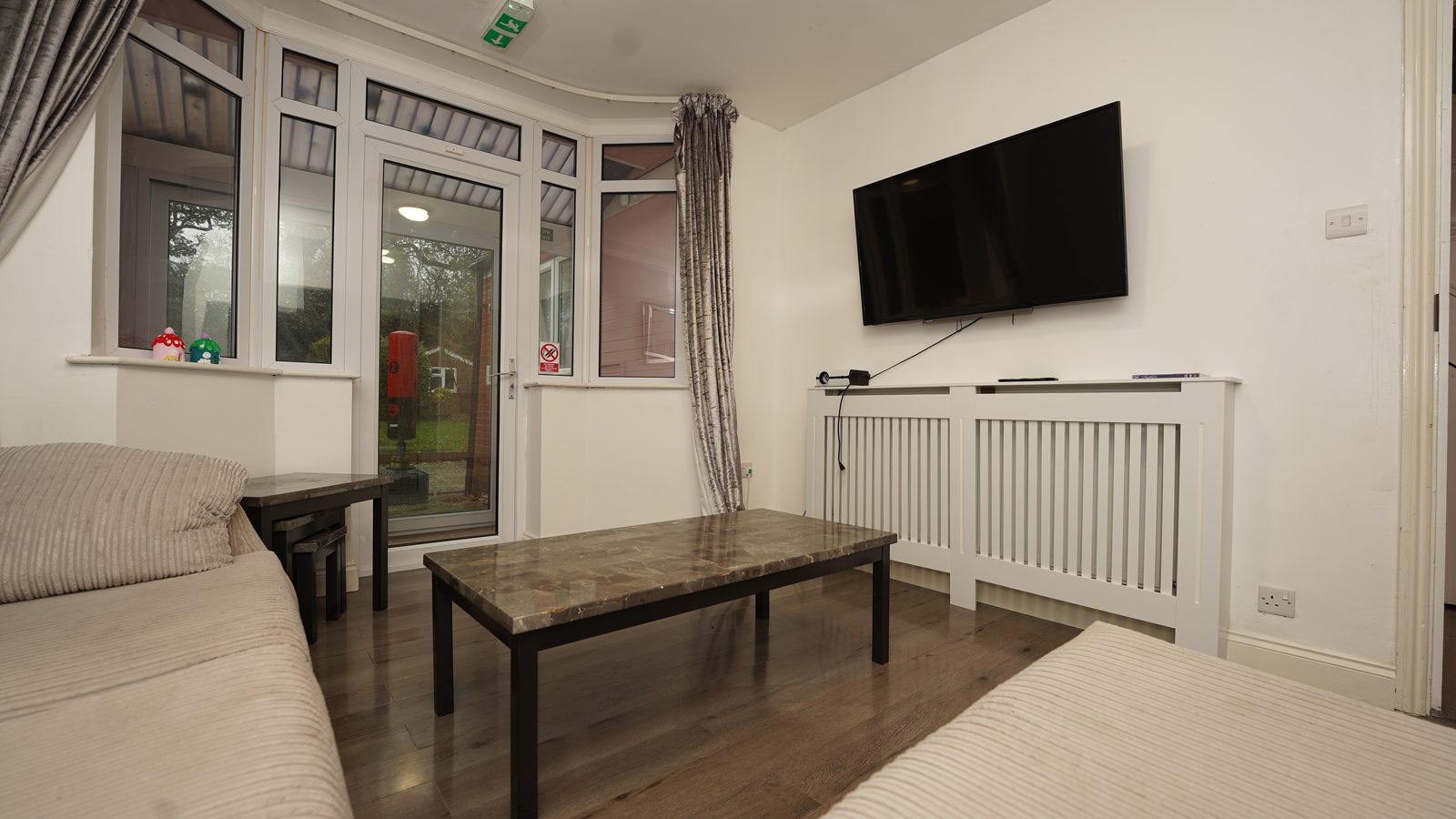
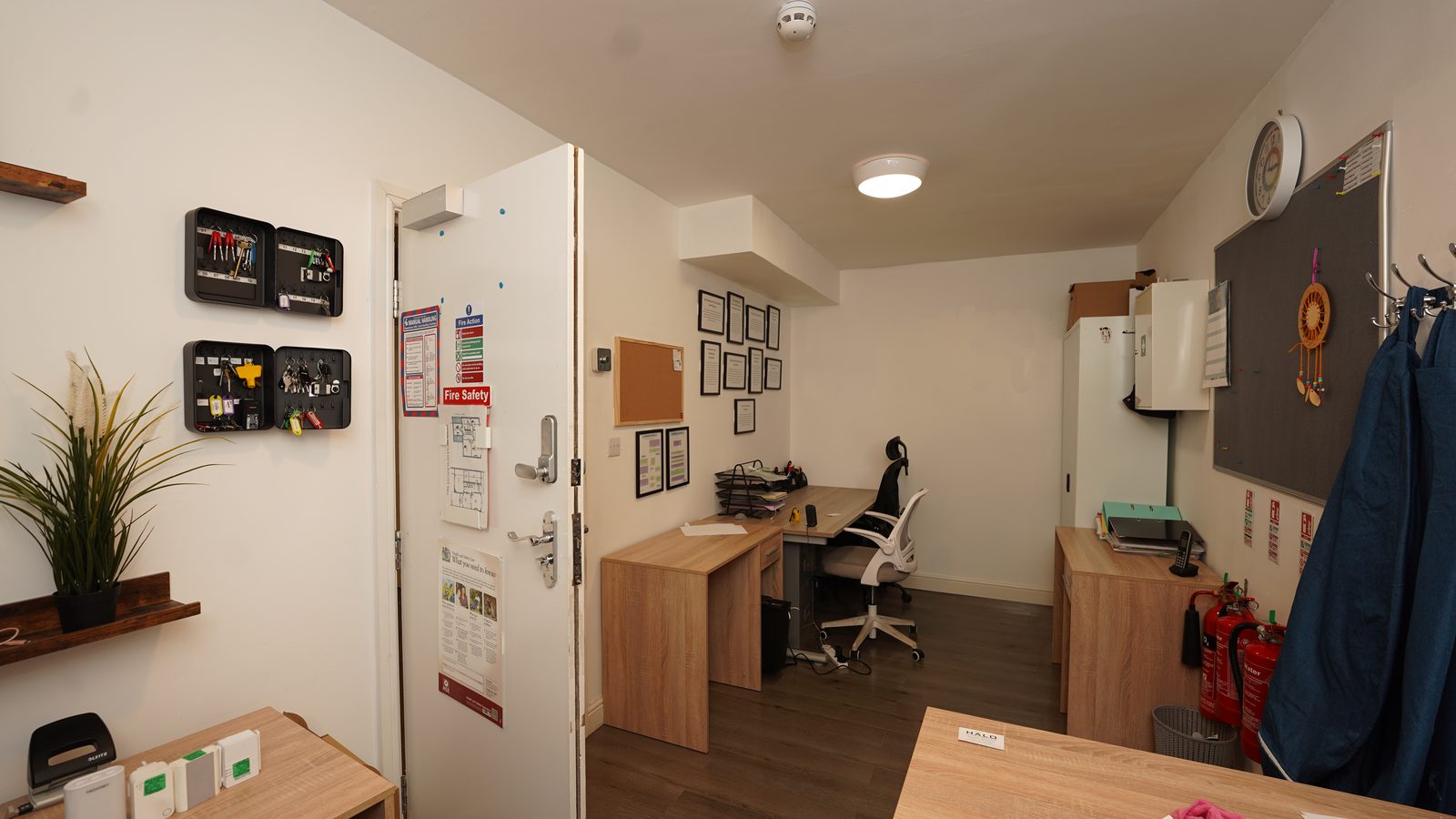
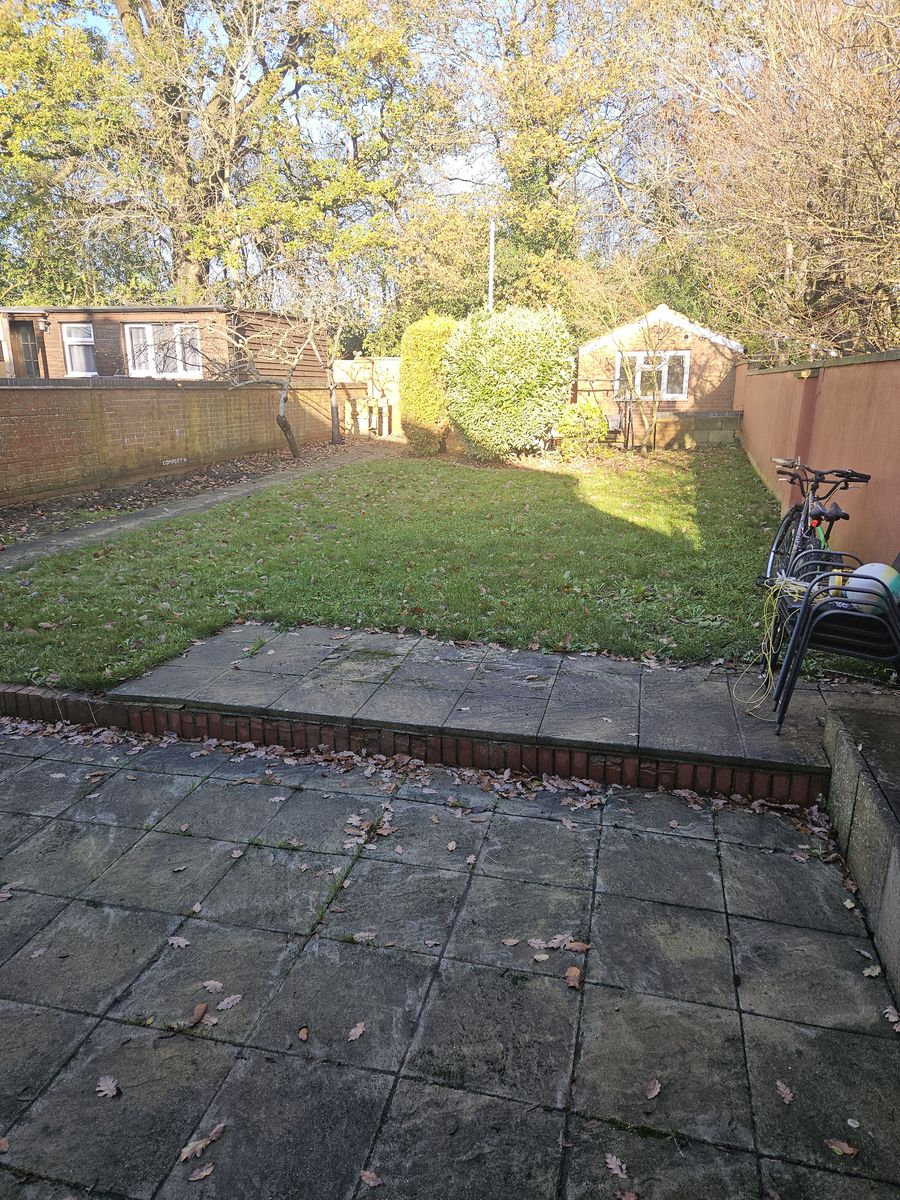
See where our care happens
Take a look inside our homes, or talk to our team about a placement.